Published Articles
A selection of my published writing across veterinary medicine, biomedical science and agriculture.
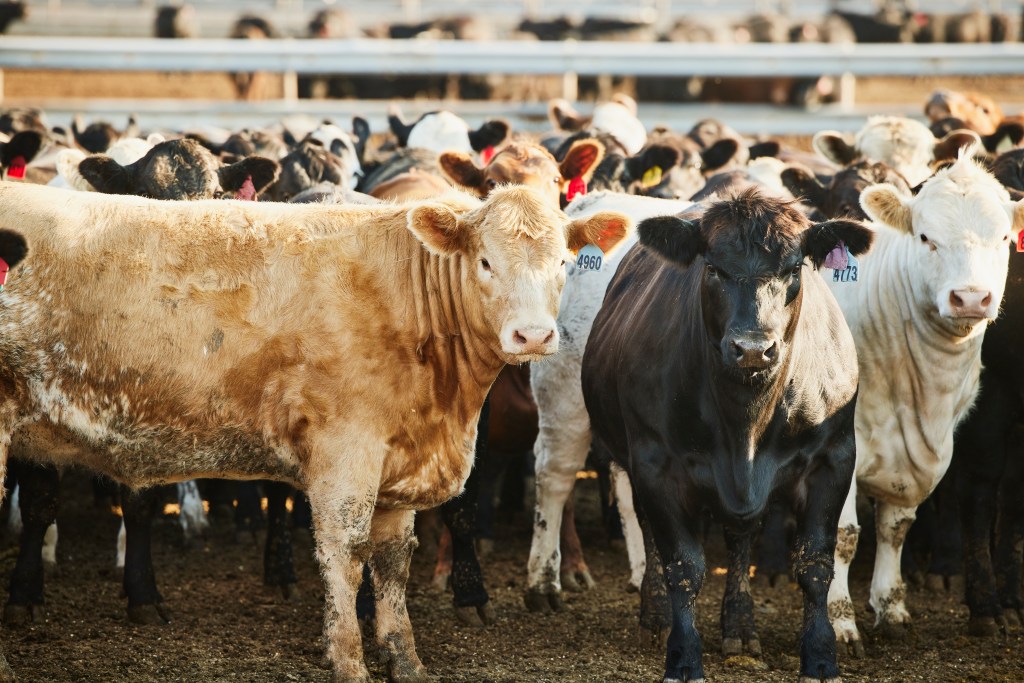
VERO Panel Examines Why Bovine Respiratory Disease Persists Despite Widespread Vaccination
Experts from across the cattle industry gathered at Texas A&M’s VERO campus to explore why bovine respiratory disease (BRD) remains a leading cause of illness and death despite widespread vaccination. The discussion highlighted how factors like vaccine timing, cattle management practices, and the complex, multi-pathogen nature of BRD limit vaccine effectiveness and complicate disease prevention efforts.
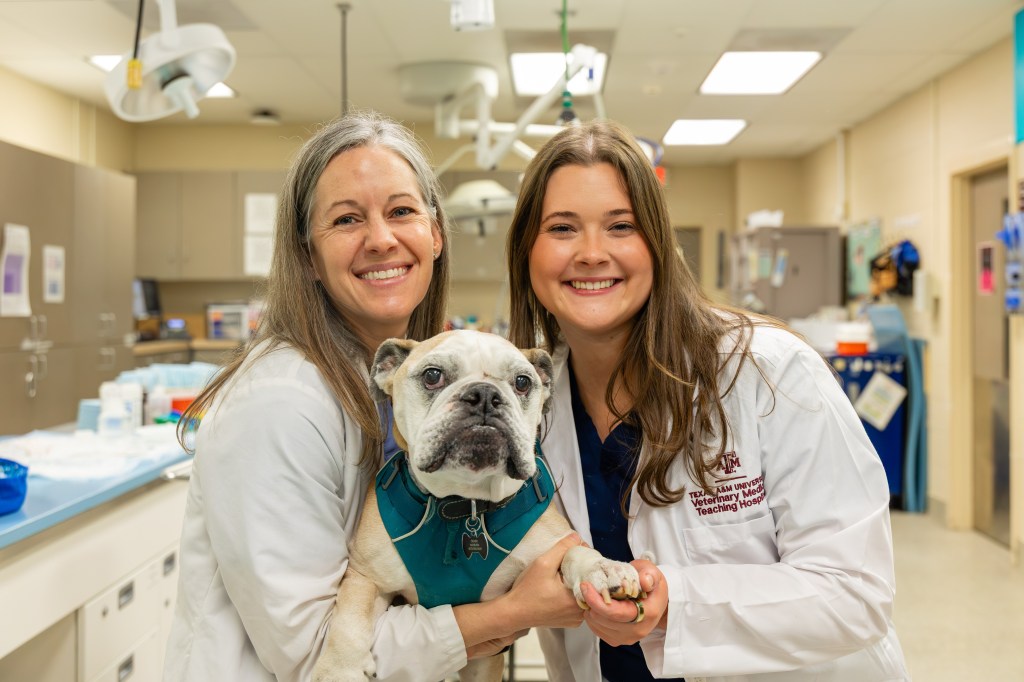
Can Weight Loss Help Short-Muzzled Dogs Breathe Easier?
A Texas A&M clinical trial is investigating whether weight loss can improve breathing in overweight brachycephalic dog breeds, which are already prone to airway restrictions due to their anatomy. The study aims to provide a non-surgical, more accessible approach to managing respiratory issues while helping veterinarians better understand how excess weight impacts canine breathing.
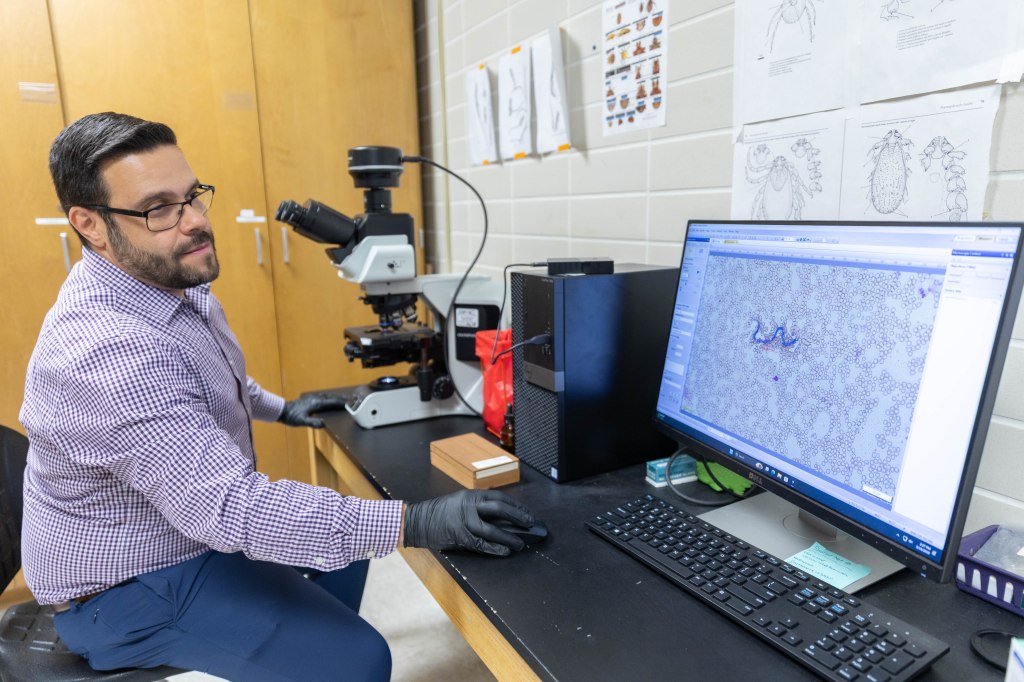
Texas A&M Research Sheds New Light On Heartworm’s Ancient Global History
Using whole-genome sequencing, Texas A&M researchers discovered that heartworm populations around the world are genetically distinct and likely spread far earlier than previously believed, potentially predating modern dog movement and even European colonization. The findings suggest heartworm evolution is closely tied to ancient canid migration and provide a genetic baseline to better track disease spread and monitor emerging drug resistance.

Dog Aging Project Studies Offer Insight Into How Owners Experience Pet Loss
New research from the Dog Aging Project reveals that grief experiences among dog owners are strikingly similar regardless of how a dog dies and highlights ways veterinarians can better guide families through end-of-life decisions.

A Risk In the Ripple: Understanding Heterobilharzia americana In Dogs
Texas A&M veterinarians warn that Heterobilharzia americana, a freshwater parasite found in parts of the southern United States, can infect dogs that swim or wade in contaminated water. Experts explain how the parasite spreads, the symptoms it can cause, and steps pet owners can take to reduce their dogs’ risk of infection.

Sweet Cherry Compounds Show Promise in Slowing Aggressive Breast Cancer Spread, Texas A&M Study Discovers
Researchers at Texas A&M investigated extracts from dark sweet cherries rich in anthocyanins—natural compounds found in the fruit—for their activity against triple-negative breast cancer (TNBC), a particularly hard-to-treat subtype. In lab models, cherry anthocyanins showed promise both in slowing tumor growth and enhancing the effectiveness of chemotherapy, while also influencing pathways linked to metastasis and drug resistance, suggesting these dietary phytochemicals may offer a complementary approach to conventional treatments.
-
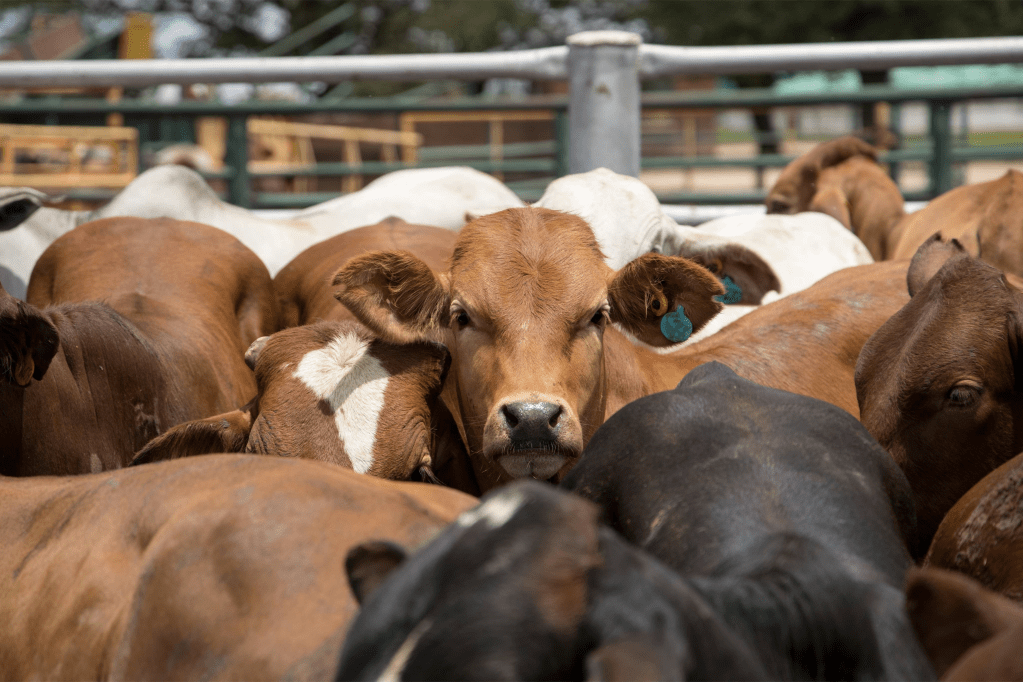
Industry Partnership Drives Texas A&M Study on Tylosin Use and Liver Abscess ControlStudy finds shorter tylosin feeding periods reduce liver abscess risk, though continuous use remains most effective. As consumer demand for beef continues to reach historic highs, feedlot operators are paying close attention to anything that affects cattle health, performance, and carcass value — including liver abscesses, a long-standing and costly challenge in feedlot cattle.
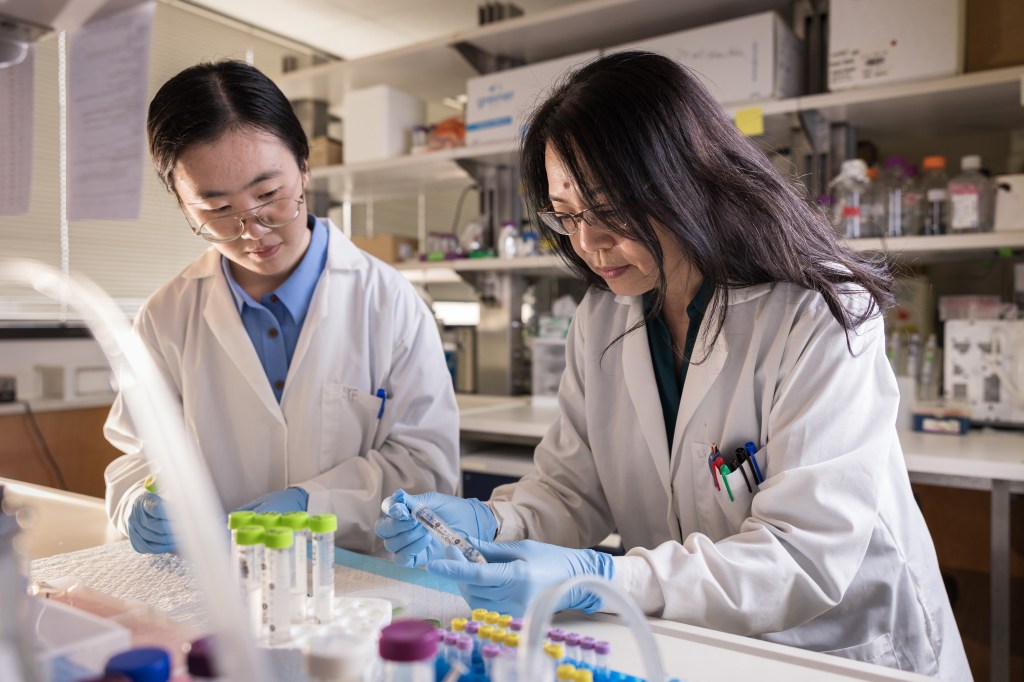
Texas A&M Researcher Receives $2.17 Million Federal Grant To Study Early Brain Changes Linked To Alzheimer’s Disease
Dr. Jianrong Li, a professor and researcher in the Texas A&M University College of Veterinary Medicine & Biomedical Sciences (VMBS), has received a $2.17 million grant from the National Institute on Aging, part of the National Institutes of Health, to examine how support cells in the brain help protect nerve cells and what happens when that protection begins to break down.

Texas A&M Study Reveals How Antibiotic Use During Leukemia Treatment Reshapes the Gut Microbiome
Texas A&M researchers found that antibiotic use during acute myeloid leukemia treatment significantly reshapes the gut microbiome and influences antibiotic resistance patterns. The study underscores the need for more targeted antibiotic strategies during intensive chemotherapy.
 Camryn Haines | Research to Reality