Published Articles
A selection of my published writing across veterinary medicine, biomedical science and agriculture.

Texas A&M Prepares Future Veterinarians To Navigate Artificial Intelligence In Clinical Practice
Texas A&M educators are exploring how artificial intelligence can enhance veterinary education by supporting student learning, strengthening clinical decision-making skills, and preparing future veterinarians for an increasingly technology-driven profession. The efforts highlight opportunities to incorporate emerging AI tools into veterinary training while emphasizing the importance of critical thinking, hands-on experience, and professional judgment.
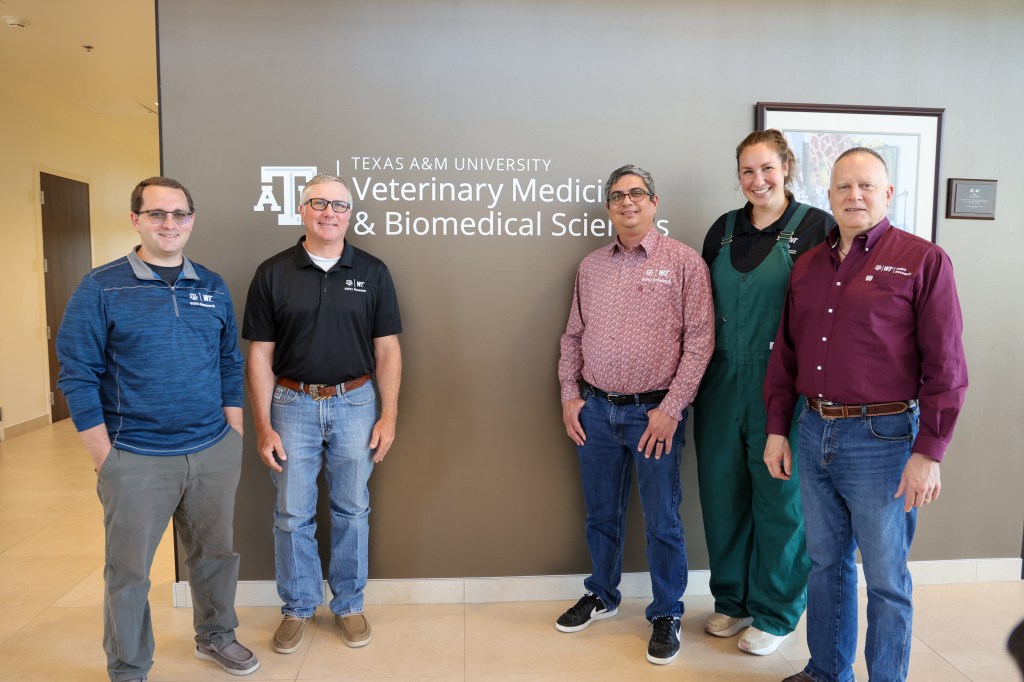
Fresh Thinking For A Familiar Foe
Texas A&M’s Veterinary Education, Research, & Outreach (VERO) program is bringing together researchers, veterinarians, and cattle industry experts to explore new approaches to preventing and managing bovine respiratory disease (BRD), one of the costliest health challenges facing the beef industry. Their efforts emphasize improving vaccination strategies, understanding the factors that contribute to disease, and developing more effective approaches to protecting cattle health.
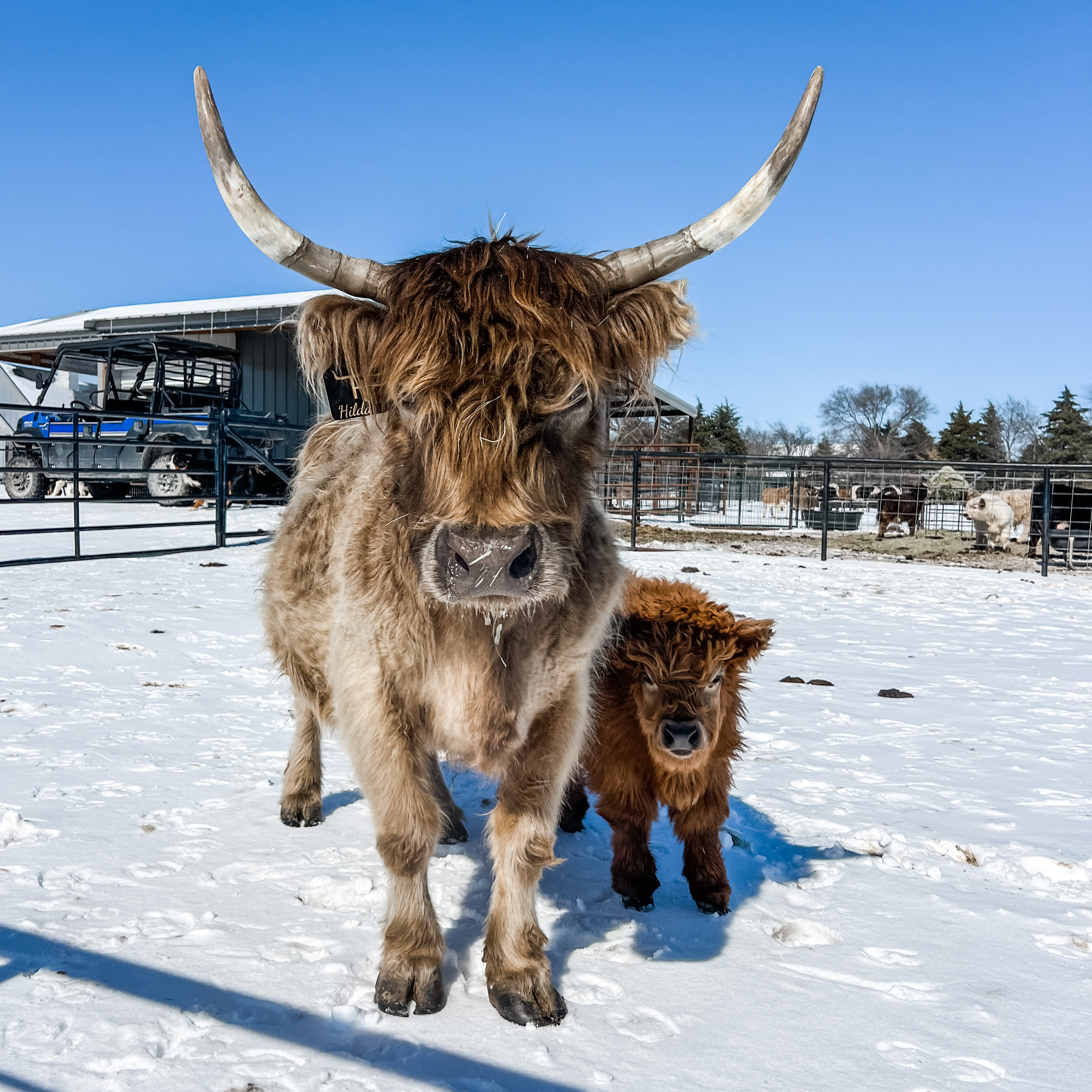
Against The Odds, Highland Cow Returns To Herd After Texas A&M Treatment
Veterinarians at the Texas A&M Large Animal Teaching Hospital provided specialized surgical care and wound management to help a Highland cow recover from a serious injury. Through a combination of advanced treatment, careful monitoring, and ongoing rehabilitation, the veterinary team helped the cow overcome complications and return to a healthier, more comfortable life.
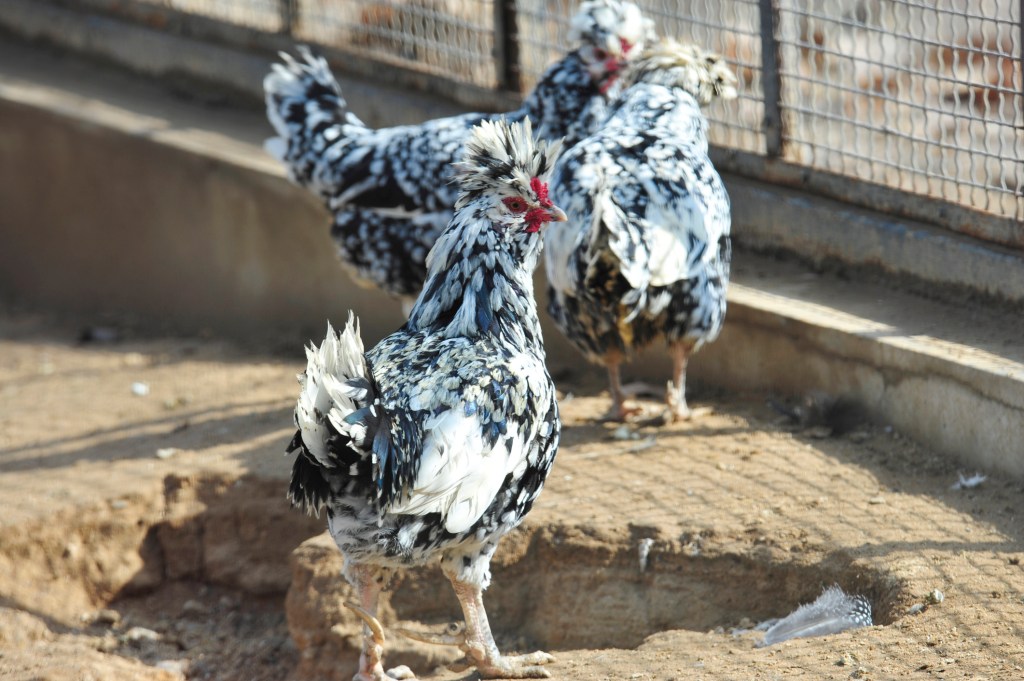
Texas A&M Researchers Uncover Multiple Genetic Paths To Mottled Feathers In Chickens
Texas A&M researchers discovered that mottled feather patterns in chickens evolved independently through different mutations in the same gene, EDNRB2. The findings reveal how selective breeding can produce similar physical traits through distinct genetic changes, offering new insight into the evolution of pigmentation and the role of human selection in shaping domestic animals.
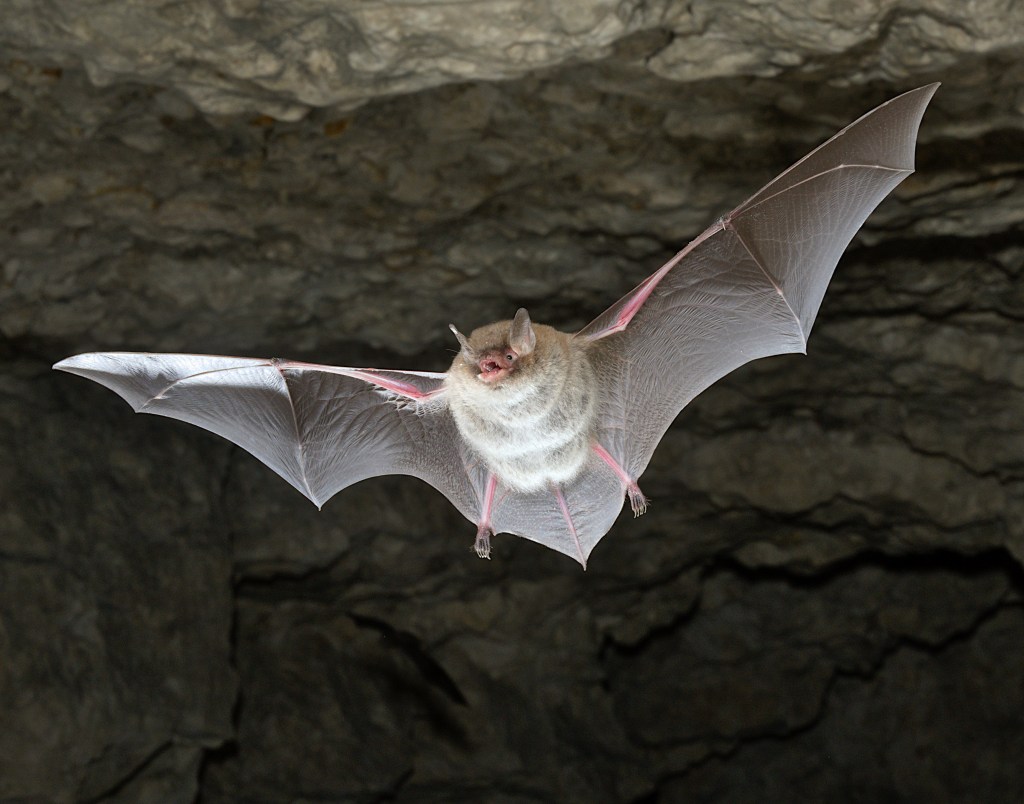
Genetic Time Capsule Helps Researchers Rewrite The Bat Family Tree And Trace The Origins Of Flight, Echolocation
Texas A&M researchers helped reconstruct the evolutionary family tree of bats using genomic data from species around the world, revealing new insights into the origins of flight and echolocation. The findings suggest that bats first evolved in Europe millions of years ago and that echolocation emerged before the diversification of modern bat species, reshaping scientists’ understanding of how these unique mammals evolved.
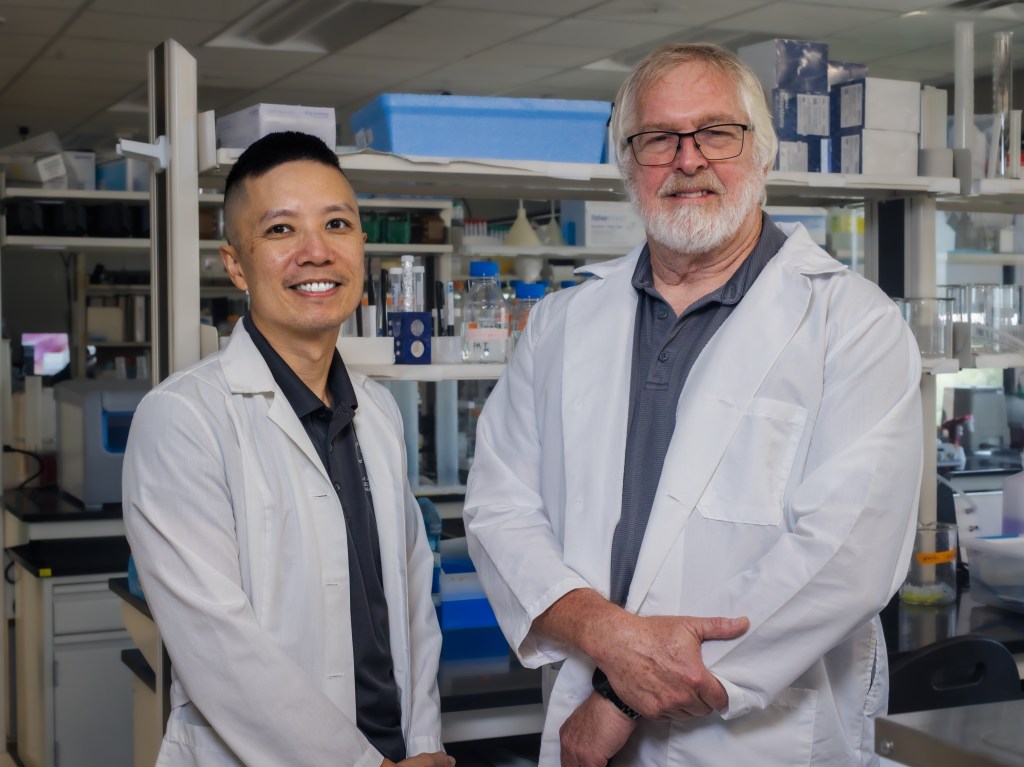
Texas A&M Researchers Identify MicroRNAS That May Slow Pancreatic Cancer Growth
Texas A&M researchers investigated how microRNAs, small molecules that regulate gene activity, influence the growth and survival of pancreatic cancer cells. The findings offer new insight into the molecular mechanisms driving pancreatic cancer and could help identify potential targets for more effective, targeted treatments.
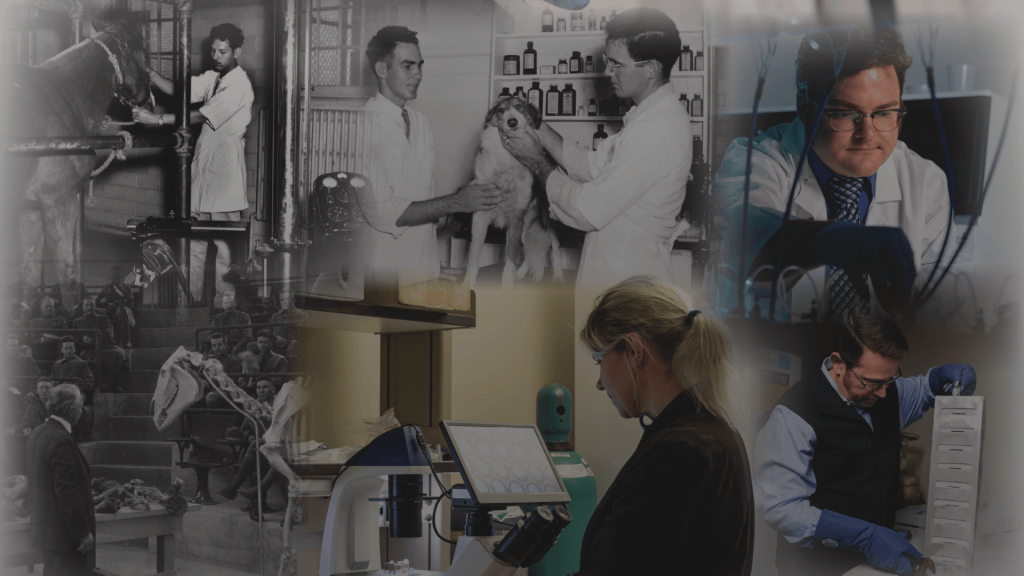
A Legacy Of Discovery, A Future Of Innovation
For more than a century, research at the Texas A&M College of Veterinary Medicine & Biomedical Sciences has advanced veterinary medicine, animal health, and biomedical science. From early breakthroughs to emerging technologies, the college’s 110-year history of discovery reflects how generations of researchers have addressed evolving health challenges while laying the groundwork for future innovation.
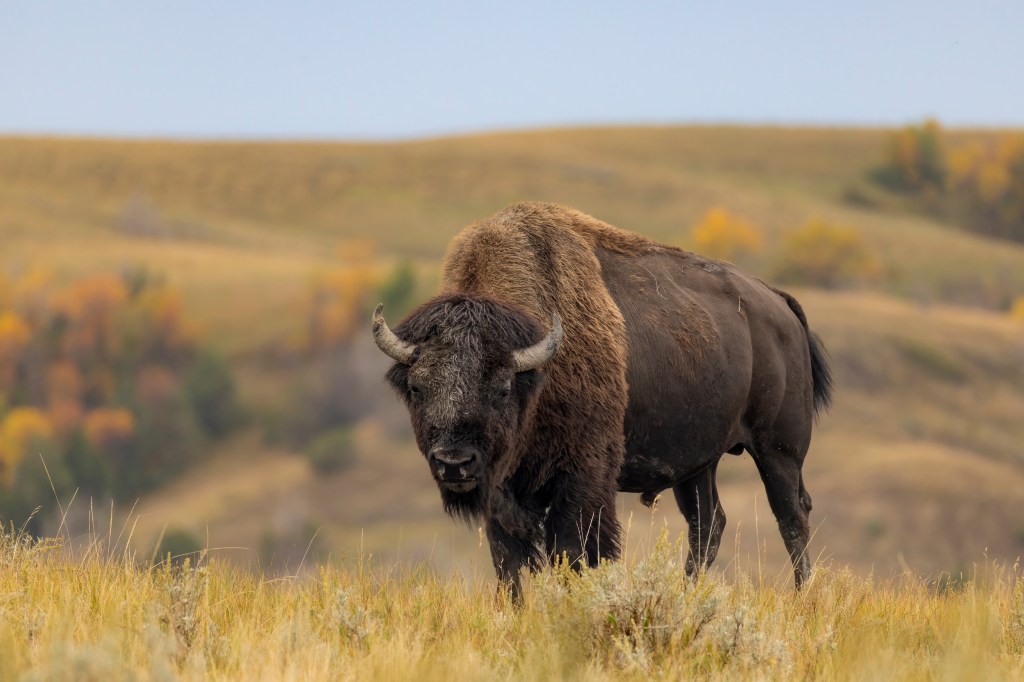
Texas A&M Study Highlights Need For More Targeted Parasite Control In Bison
Texas A&M researchers found that routine, whole-herd deworming practices in ranched bison may contribute to the development of parasite resistance to commonly used treatments. The findings highlight opportunities for more targeted, diagnostic-based parasite management strategies that can help producers maintain herd health while preserving the effectiveness of dewormers.

Texas A&M Researchers Help Advance Promising Therapy For Fatty Liver Disease
Texas A&M researchers identified a potential therapeutic approach for metabolic dysfunction-associated steatohepatitis (MASH), a severe form of fatty liver disease that can lead to liver scarring and other serious complications. The findings reveal biological mechanisms involved in MASH progression and could help guide the development of new treatments aimed at preventing or reversing liver damage.

Texas A&M Researchers Explore How Copper Could Lead To Better UTI Treatments
Texas A&M researchers are investigating how the body uses copper as a natural defense against urinary tract infections and how bacteria adapt to survive that response. The research could help identify new ways to harness copper to treat UTIs, offering potential alternatives to traditional antibiotics as antimicrobial resistance continues to grow.

Texas A&M Study Reveals How Multiple Chronic Diseases Shorten Canine Lifespan
Researchers with the Dog Aging Project found that dogs living with multiple chronic health conditions face a greater risk of early death, with that risk increasing as additional diseases accumulate. The findings highlight the importance of considering a dog’s overall health rather than individual conditions alone and may help veterinarians identify dogs at greater risk as they age.

Texas A&M Researchers Discover Extraordinary Immune Gene Diversity In Atlantic Herring
Texas A&M researchers discovered exceptionally high genetic diversity in immune system genes among Atlantic herring, revealing how the species maintains a broad range of defenses against pathogens. The findings offer new insight into the evolution of vertebrate immune systems and how genetic diversity may help populations respond to changing disease threats.

New WHO Estimates Show Foodborne Parasites Still Taking A Global Toll
Texas A&M researchers contributed to the first comprehensive global estimates of foodborne parasitic diseases, helping identify which parasites cause the greatest burden of illness and where they have the largest public health impact. The findings provide critical data to guide food safety policies, prioritize prevention efforts, and reduce the worldwide burden of parasitic infections.

Common Microplastic May Increase Risk Of Fatty Liver Disease, Texas A&M Study Finds
Texas A&M researchers found that polyethylene—one of the world’s most widely used plastics—may contribute to fatty liver disease and worsen the condition when combined with an unhealthy diet. The findings provide new evidence that common microplastics may have previously unrecognized effects on liver health and underscore the need for further research into their impact on human disease.
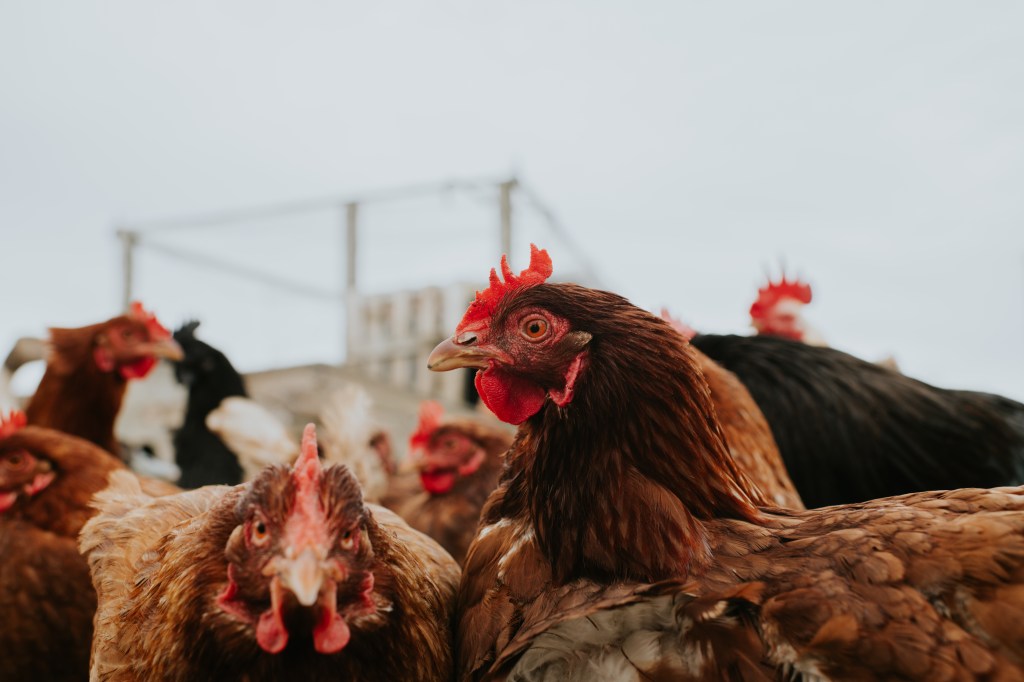
More Than Feather Deep: Texas A&M Study Reveals A Faster Path To Evolution
Texas A&M researchers discovered how repeated changes in a single gene, MC1R, have driven the evolution of diverse feather color patterns in domestic chickens. The findings provide new insight into how complex traits evolve over time and could improve scientists’ understanding of pigmentation in other animals, including humans.

Texas A&M AI Tool Could Help Veterinarians Track Heart Disease More Precisely
Texas A&M researchers developed an artificial intelligence tool that analyzes chest X-rays to help veterinarians identify signs of heart enlargement and heart disease in dogs more quickly and consistently. The technology is designed to support clinical decision-making, improve early diagnosis, and expand access to advanced cardiac screening in veterinary practice.
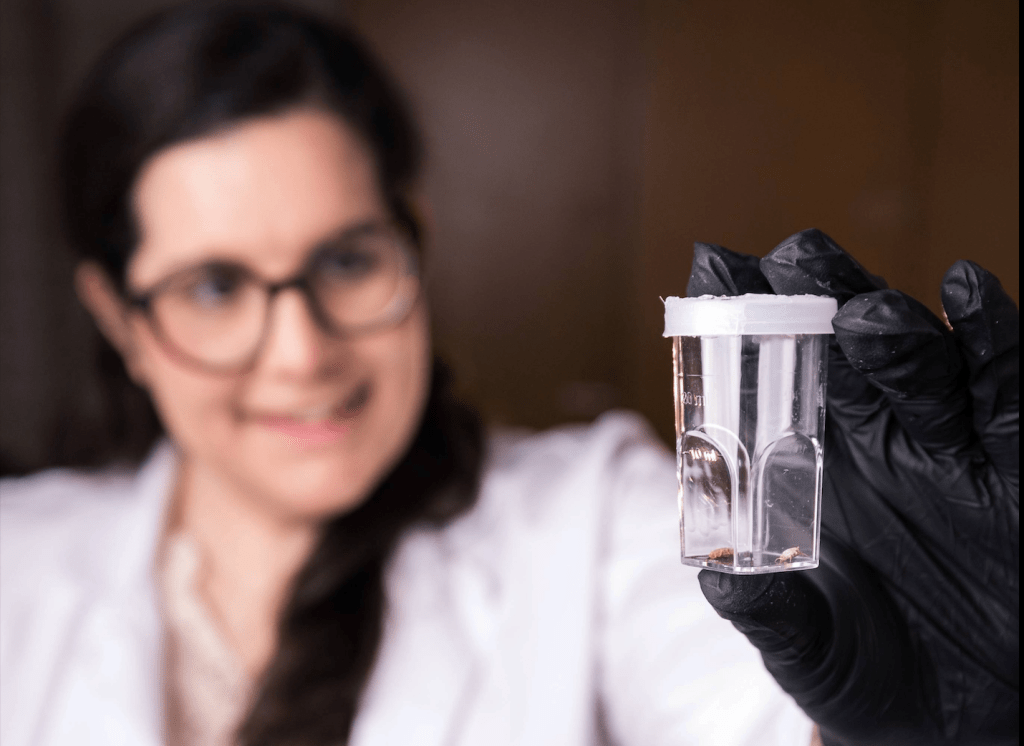
Texas A&M Researchers Map Tick Habitat to Strengthen African Swine Fever Preparedness
Texas A&M researchers mapped where a long-lived soft tick native to Texas is most likely to survive, helping scientists better understand its potential role in the spread of African swine fever should the virus reach the United States. The findings provide valuable information for disease surveillance and outbreak preparedness, supporting efforts to protect the U.S. swine industry from one of the world’s most devastating livestock diseases.
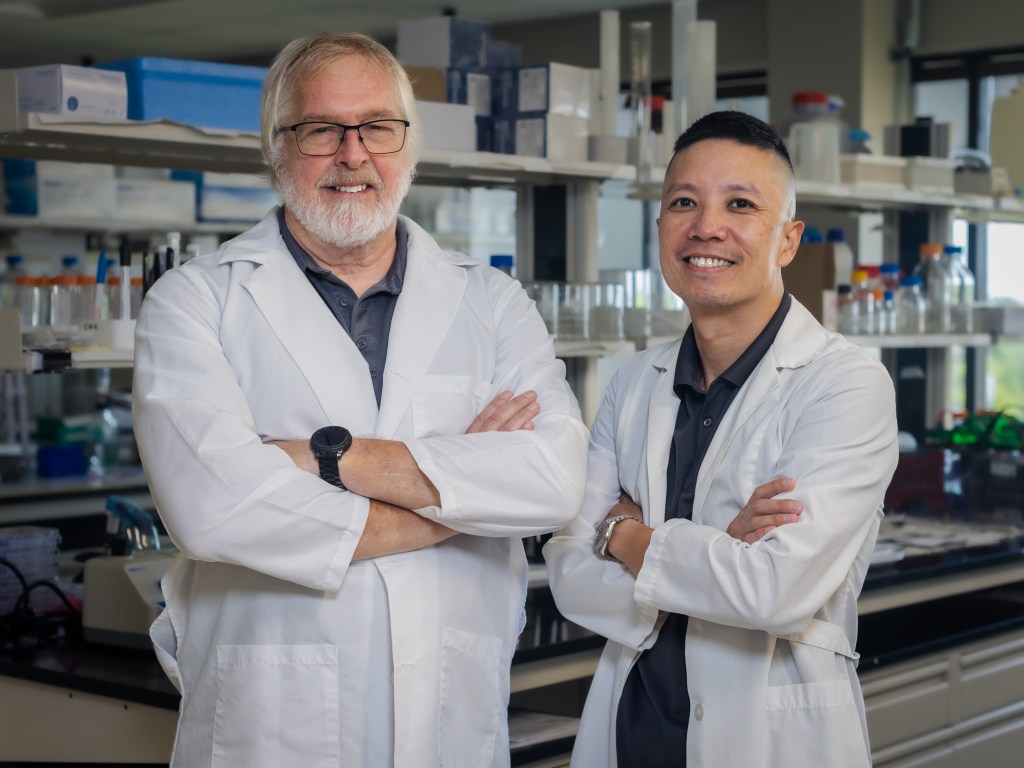
Tiny Molecules, Big Possibilities: Texas A&M Researchers Explore A New Way To Slow Lung Cancer
Texas A&M researchers identified two naturally occurring microRNAs that can suppress the growth and protein production of non-small cell lung cancer cells, revealing a potential new strategy for slowing cancer progression. The findings improve scientists’ understanding of how these molecules regulate cell growth and may help guide the development of more targeted cancer therapies.
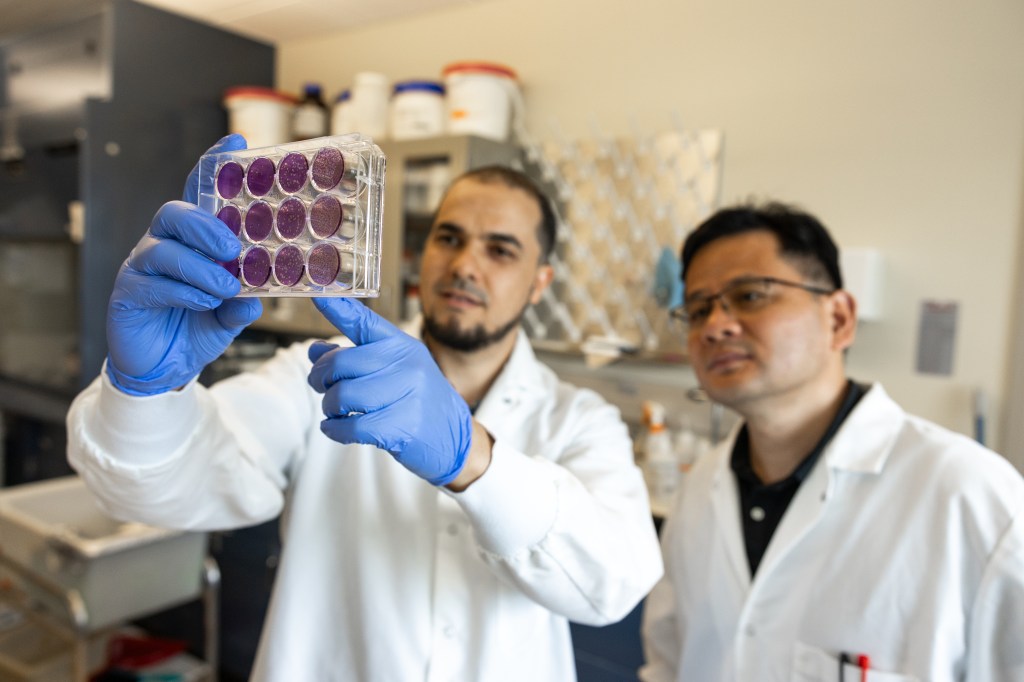
Too Much RNA Can Starve Cells Of Energy, Texas A&M Study Finds
Texas A&M researchers discovered that excess RNA inside cells can disrupt mitochondria—the structures responsible for producing cellular energy—revealing a previously unknown consequence of viral infection and other conditions that cause RNA buildup. The findings offer new insight into the links between RNA regulation, energy production, and diseases ranging from viral infections to age-related disorders and RNA-based therapies.

Aoudad Could Spread Deadly Disease To Bighorn Populations
Texas A&M researchers found that invasive aoudad may help sustain and spread the respiratory pathogens responsible for fatal pneumonia in desert bighorn sheep. The findings provide wildlife managers with new information to support conservation efforts and better protect vulnerable bighorn populations.
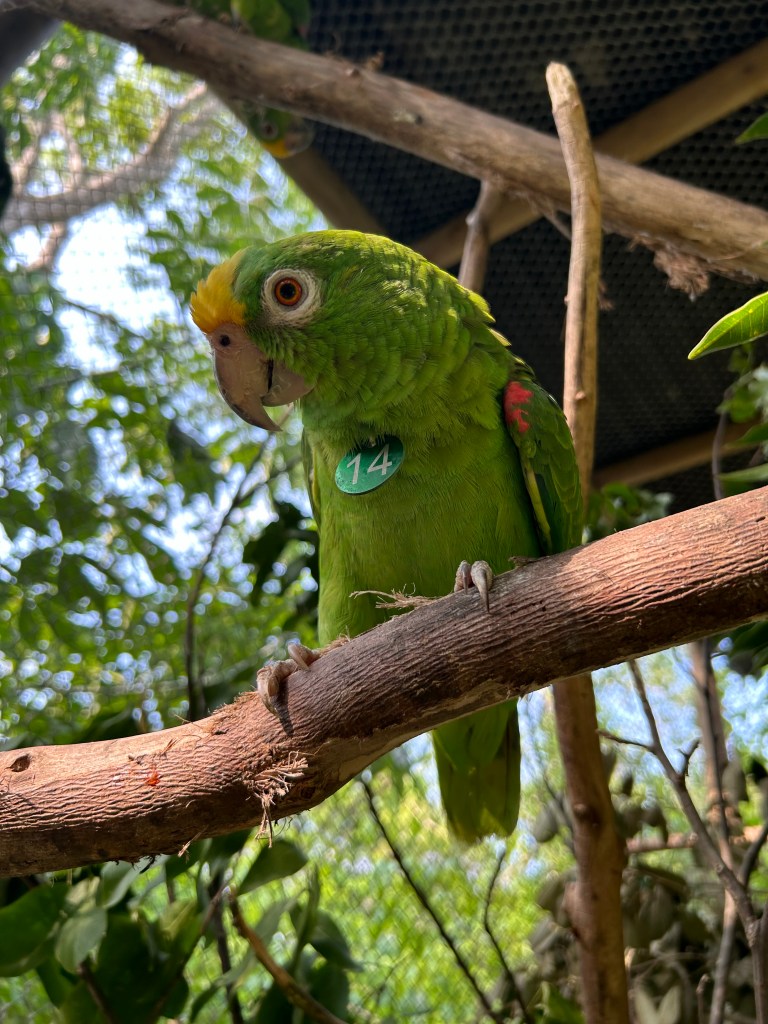
Giving Confiscated Parrots A Second Chance: Texas A&M Research Finds A New Way To Prepare Birds For Life In The Wild
Texas A&M researchers found that free-flight training can help confiscated parrots develop the survival skills needed for successful release, including predator avoidance, navigation, flocking, and foraging. The findings demonstrate that structured training can improve long-term survival and provide conservationists with a practical new tool for restoring threatened wild parrot populations.
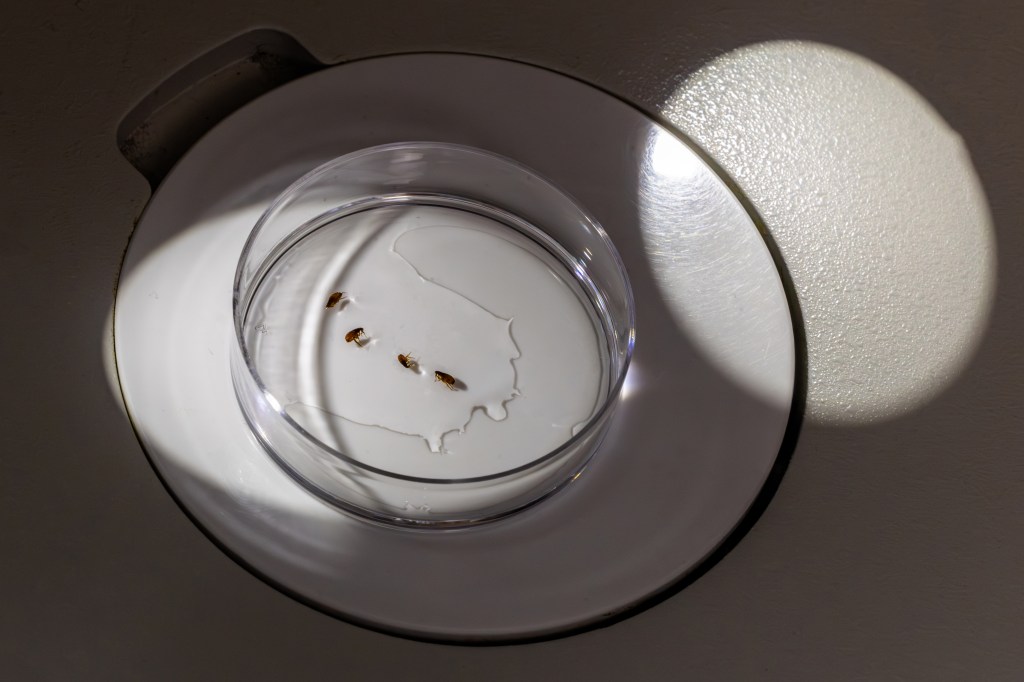
Feline Fleas Carry Bacteria Linked To Human Disease In South Texas, Texas A&M Study Finds
Texas A&M researchers found that some fleas collected from free-roaming cats in South Texas carried the bacteria responsible for murine typhus, a flea-borne disease that can cause illness in people. The findings highlight the importance of year-round flea prevention and improved surveillance to better understand how the disease persists and spreads in communities along the Texas-Mexico border.
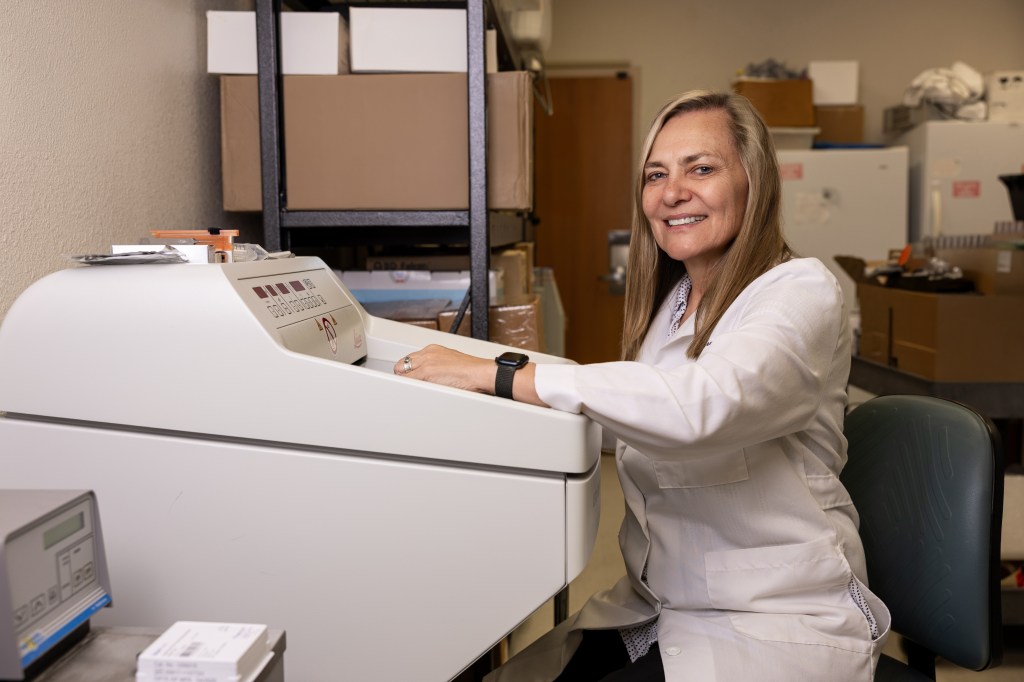
Healing Where It Hurts: Texas A&M Researchers Develop A New Approach For Treating Wounds
Texas A&M researchers are developing a bandage-like device that delivers hydrogen sulfide—a naturally occurring gas in the body—directly to chronic wounds to improve blood flow and promote healing. Designed for patients with conditions such as diabetes, the technology offers a targeted approach that could help difficult-to-heal wounds recover more effectively while reducing the need for more invasive treatments.

Breathing Easier: How A Texas A&M Clinical Trial Helped One Pug Regain His Energy
A Texas A&M clinical trial found that weight loss can significantly improve breathing and quality of life in brachycephalic dogs, helping reduce airway-related symptoms without surgery. The study followed overweight, short-muzzled dogs through a structured weight-loss program and demonstrated that even modest reductions in body weight can lead to meaningful improvements in respiratory function and daily activity levels.
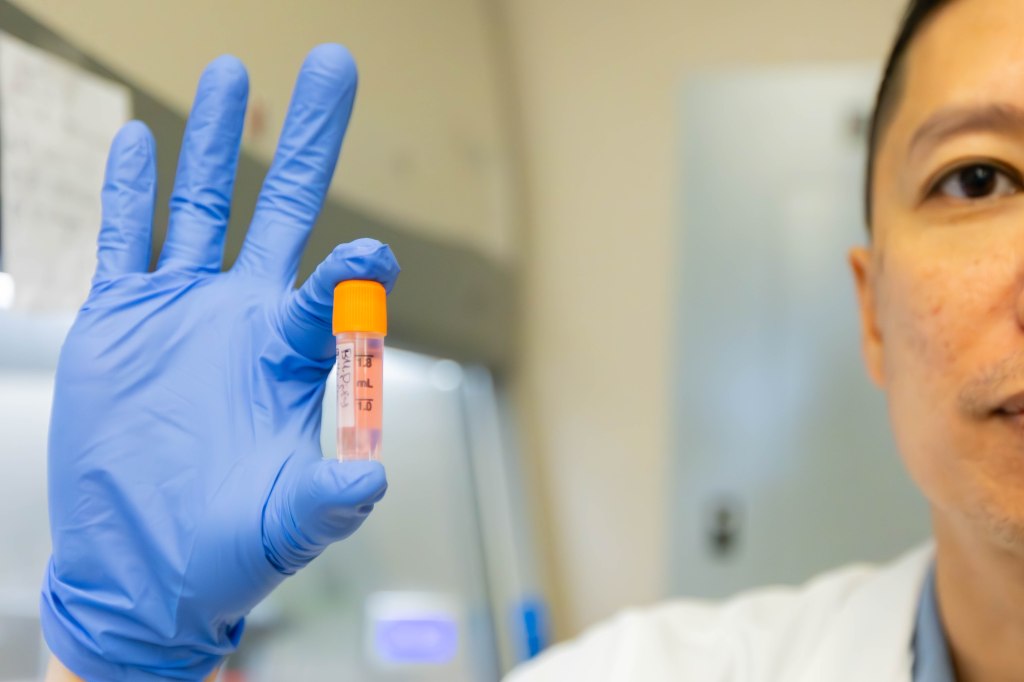
Texas A&M Researchers Develop Lab-Grown Muscle Cells To Reduce Animal Use In Research
Texas A&M researchers developed and commercialized MyoK9, the first widely available immortalized canine muscle cell line, providing scientists with a reliable laboratory model for studying muscle diseases and testing potential therapies. The cell line can reduce the need for live animals in early-stage research while accelerating the development and evaluation of treatments for canine and human muscle disorders.

Dogs And Humans Are More Alike Than We Thought, Texas A&M Study Finds
Researchers with the Dog Aging Project identified specific blood metabolites associated with longer lifespans and healthier aging in dogs, offering new insight into the biological processes that influence longevity. The findings could help scientists better understand aging in both dogs and humans while supporting future efforts to promote healthier, longer lives.
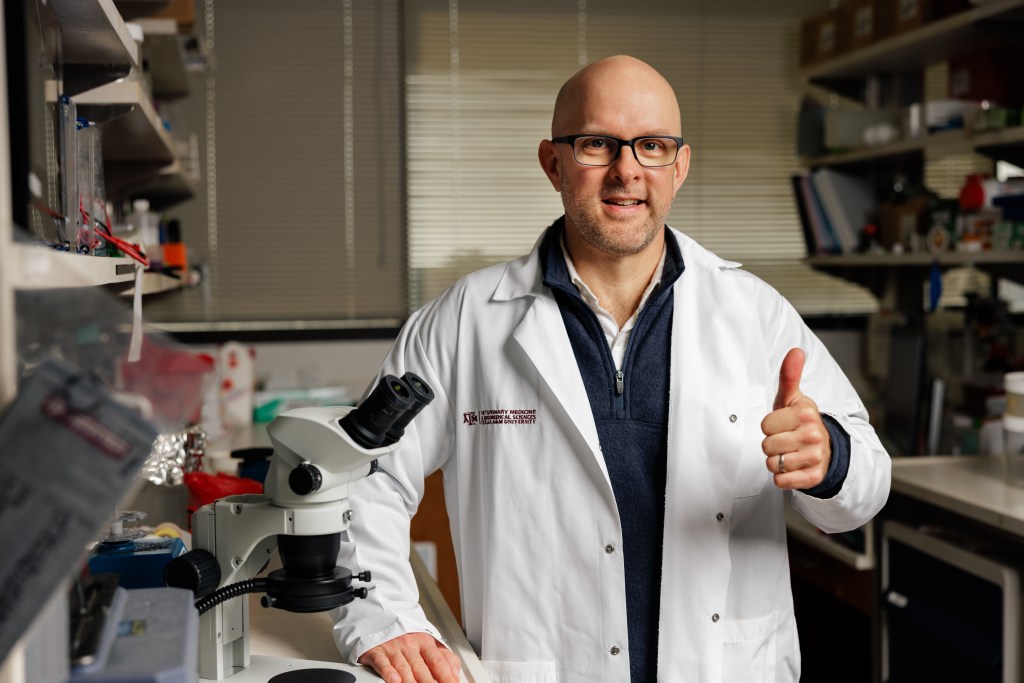
New $2.9 Million NIH Grant Supports Growing Research Connecting Father’s Drinking To Children’s Long-Term Health Issues
Texas A&M researcher Dr. Michael Golding received a $2.9 million NIH grant to study how a father’s alcohol use before conception may influence a child’s long-term health, including risks for developmental disorders, chronic disease, and accelerated aging. The research focuses on how alcohol exposure alters biological signals in sperm and may affect offspring development across generations.
Are The Chemicals Around You Actually Safe? AI Is Helping Find Out
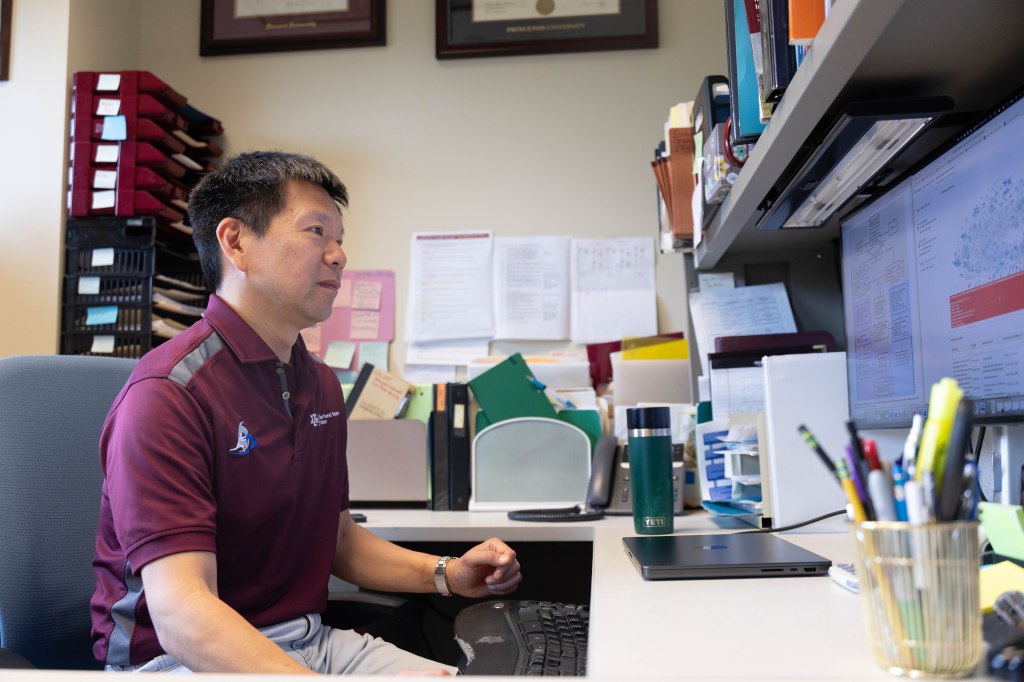
Texas A&M researchers developed uncertainty-aware artificial intelligence models capable of predicting the toxicity of more than 100,000 marketed chemicals, helping identify substances that may pose elevated human health risks. The findings demonstrate how machine learning can improve chemical safety assessments while also providing transparency about prediction confidence and data gaps.
How A Fish Rewrote Its Genetic Playbook To Survive A New Sea
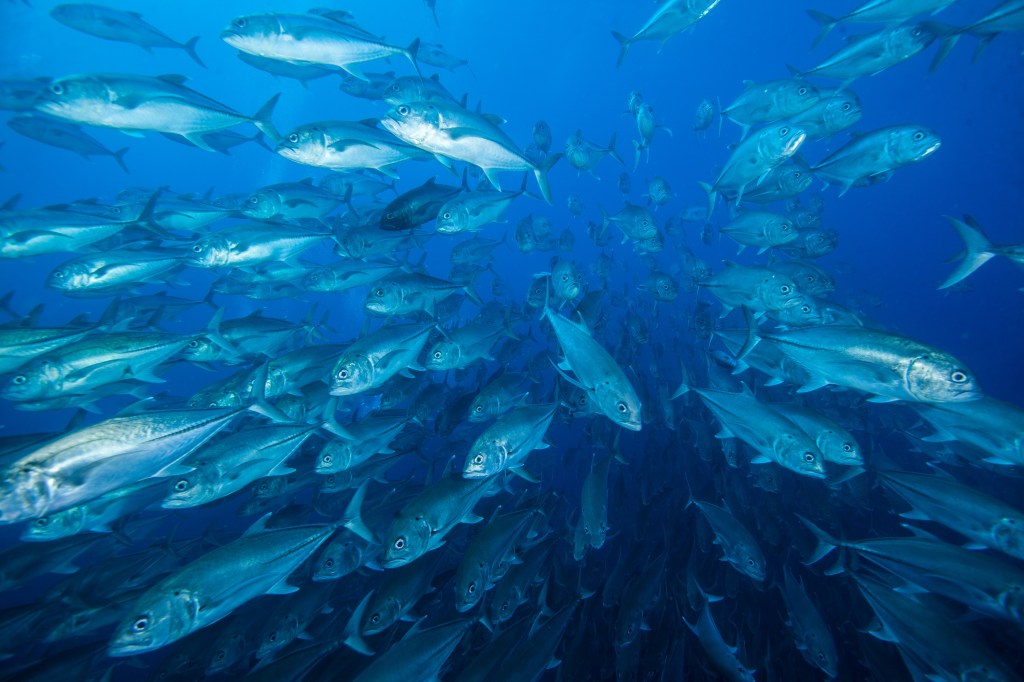
Texas A&M researchers helped uncover how Atlantic herring rapidly adapted to the Baltic Sea’s unique low-salinity environment through widespread genetic changes across the species’ genome. The findings provide new insight into how animals evolve in response to environmental pressures and may help scientists better understand adaptation in changing ecosystems.

Texas A&M Research Reveals More Than 84% Of Dogs Show Signs Of Fear, Anxiety
A Texas A&M study using data from the Dog Aging Project found that many dogs regularly display fear- and anxiety-related behaviors, ranging from mild stress responses to more serious behavioral concerns. The findings highlight how common behavioral issues are in companion dogs and emphasize the importance of recognizing early signs before they escalate into more severe problems.

Helping Dogs Feel Safer: Understanding Fear And Anxiety In Everyday Situations
Texas A&M veterinary behavior experts explain how fear and anxiety can affect dogs in everyday situations, from thunderstorms and unfamiliar visitors to loud or crowded environments. The guidance highlights common behavioral signs of stress and offers strategies owners can use to help dogs feel safer, more comfortable, and better supported over time.
Texas A&M Study Highlights Heart Damage Risk From Ractopamine Exposure In Dogs
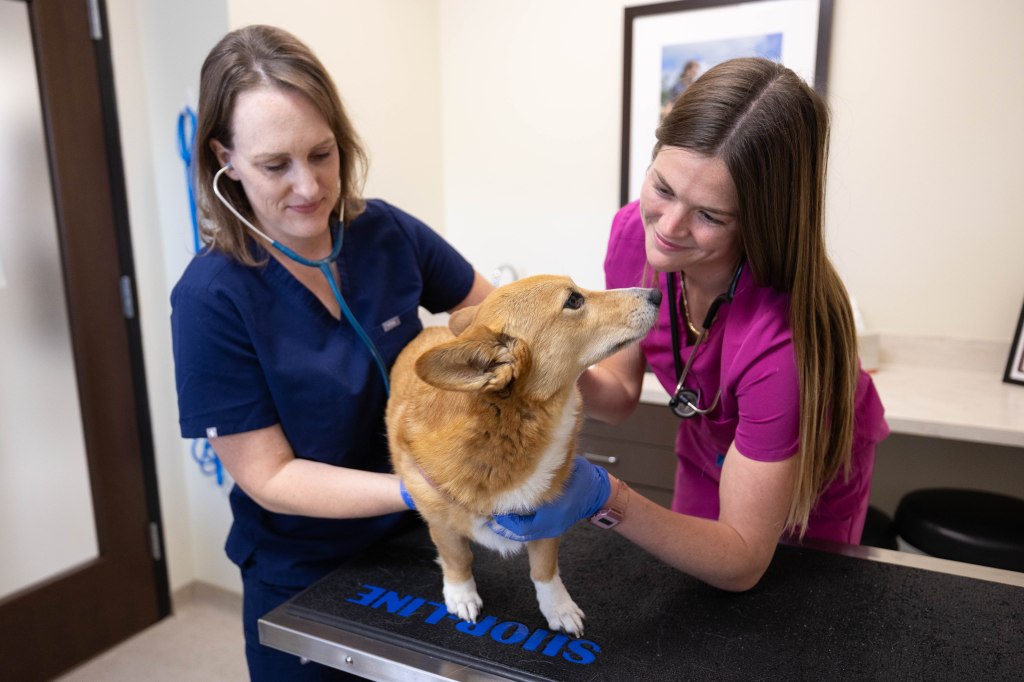
Texas A&M veterinarians documented cases showing that accidental ingestion of ractopamine — a feed additive used in livestock — can cause severe cardiac damage in dogs, including dangerous heart rhythm abnormalities and, in some cases, death. The findings emphasize the risks of cross-exposure in agricultural settings and the importance of early treatment to improve outcomes.
Coffee Doesn’t Just Wake You Up — It May Help Protect Your Body From Aging
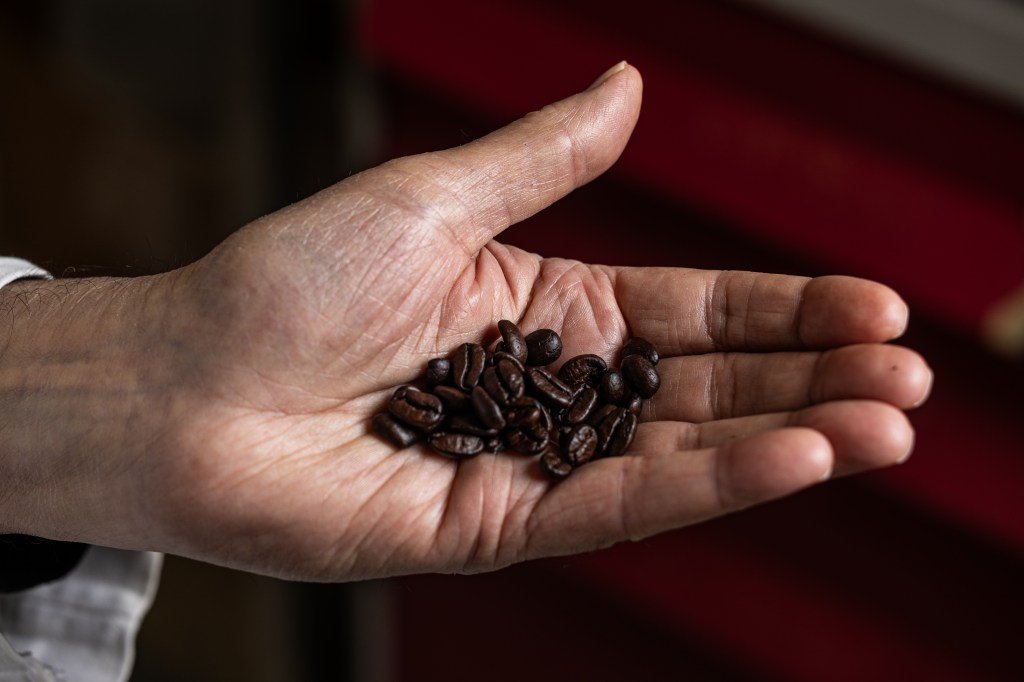
Texas A&M researchers found that compounds in coffee interact with the NR4A1 receptor, a key regulator linked to aging and diseases such as cancer and inflammation, helping explain coffee’s potential protective health effects. The findings suggest that coffee’s natural compounds may influence biological pathways tied to aging, supporting its potential role in disease prevention and improved long-term health.

What If Humans Could Regrow Tissue? Texas A&M Study Moves Science Closer
Texas A&M researchers found that applying specific growth factors can trigger the regeneration of complex tissues—including bone, tendons, and cartilage—rather than forming scar tissue. The findings challenge long-held assumptions about human healing and move scientists closer to developing therapies that could restore damaged limbs and tissues.

‘Forever Chemicals’ Detected In Dolphin Milk, Study By Texas A&M Superfund Center Shows
Texas A&M researchers discovered that PFAS, or “forever chemicals,” are present in dolphin milk and can be transferred from mothers to their calves during early development. The findings highlight a previously under-recognized pathway of exposure and suggest that marine mammals — and potentially humans — may face early-life health risks from these persistent environmental contaminants.
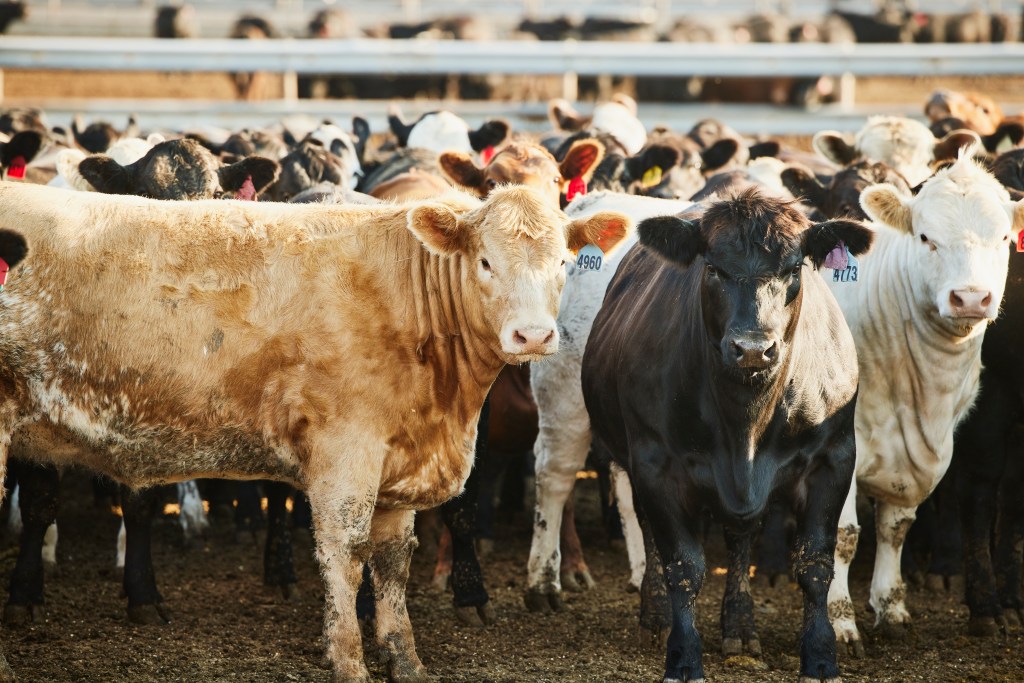
VERO Panel Examines Why Bovine Respiratory Disease Persists Despite Widespread Vaccination
Experts from across the cattle industry gathered at Texas A&M’s VERO campus to explore why bovine respiratory disease (BRD) remains a leading cause of illness and death despite widespread vaccination. The discussion highlighted how factors like vaccine timing, cattle management practices, and the complex, multi-pathogen nature of BRD limit vaccine effectiveness and complicate disease prevention efforts.
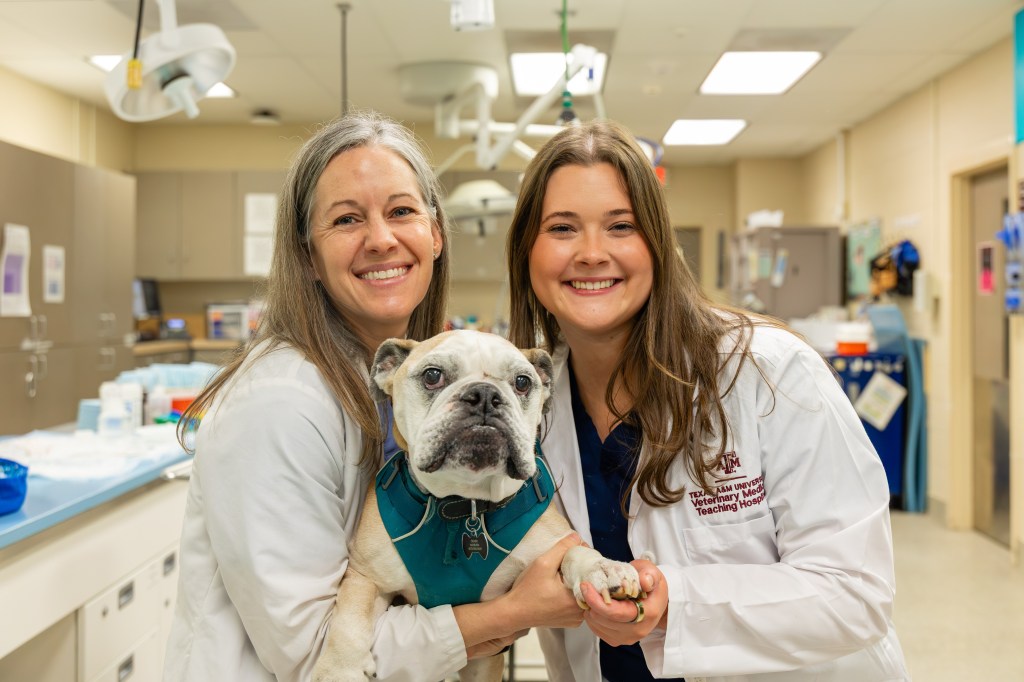
Can Weight Loss Help Short-Muzzled Dogs Breathe Easier?
A Texas A&M clinical trial is investigating whether weight loss can improve breathing in overweight brachycephalic dog breeds, which are already prone to airway restrictions due to their anatomy. The study aims to provide a non-surgical, more accessible approach to managing respiratory issues while helping veterinarians better understand how excess weight impacts canine breathing.
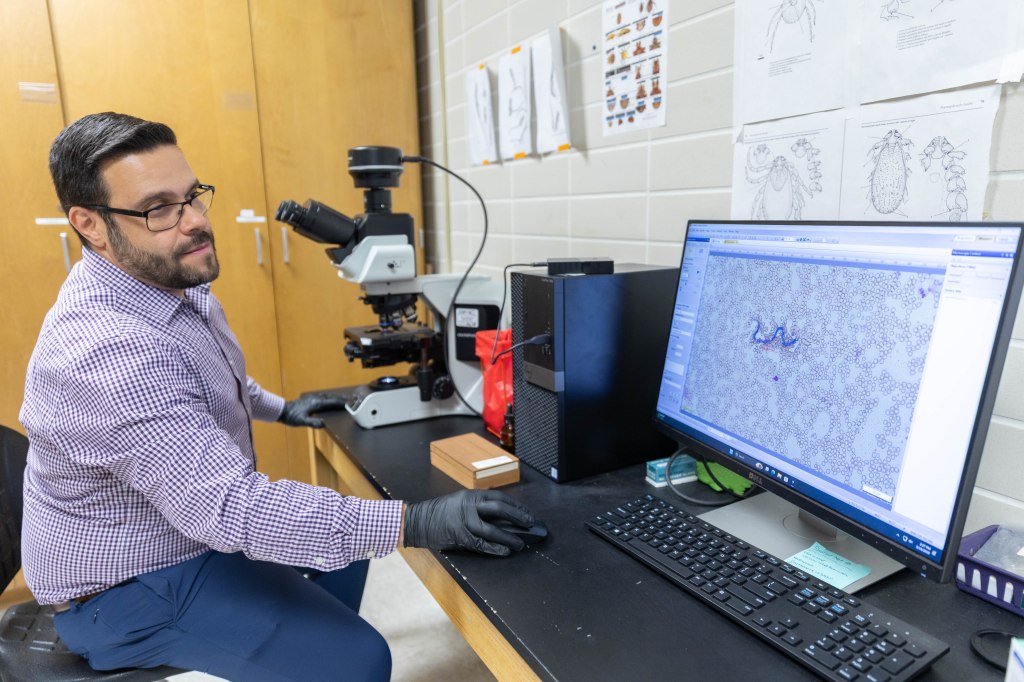
Texas A&M Research Sheds New Light On Heartworm’s Ancient Global History
Using whole-genome sequencing, Texas A&M researchers discovered that heartworm populations around the world are genetically distinct and likely spread far earlier than previously believed, potentially predating modern dog movement and even European colonization. The findings suggest heartworm evolution is closely tied to ancient canid migration and provide a genetic baseline to better track disease spread and monitor emerging drug resistance.

Dog Aging Project Studies Offer Insight Into How Owners Experience Pet Loss
New research from the Dog Aging Project reveals that grief experiences among dog owners are strikingly similar regardless of how a dog dies and highlights ways veterinarians can better guide families through end-of-life decisions.

A Risk In the Ripple: Understanding Heterobilharzia americana In Dogs
Texas A&M veterinarians warn that Heterobilharzia americana, a freshwater parasite found in parts of the southern United States, can infect dogs that swim or wade in contaminated water. Experts explain how the parasite spreads, the symptoms it can cause, and steps pet owners can take to reduce their dogs’ risk of infection.

Sweet Cherry Compounds Show Promise in Slowing Aggressive Breast Cancer Spread, Texas A&M Study Discovers
Researchers at Texas A&M investigated extracts from dark sweet cherries rich in anthocyanins—natural compounds found in the fruit—for their activity against triple-negative breast cancer (TNBC), a particularly hard-to-treat subtype. In lab models, cherry anthocyanins showed promise both in slowing tumor growth and enhancing the effectiveness of chemotherapy, while also influencing pathways linked to metastasis and drug resistance, suggesting these dietary phytochemicals may offer a complementary approach to conventional treatments.
-
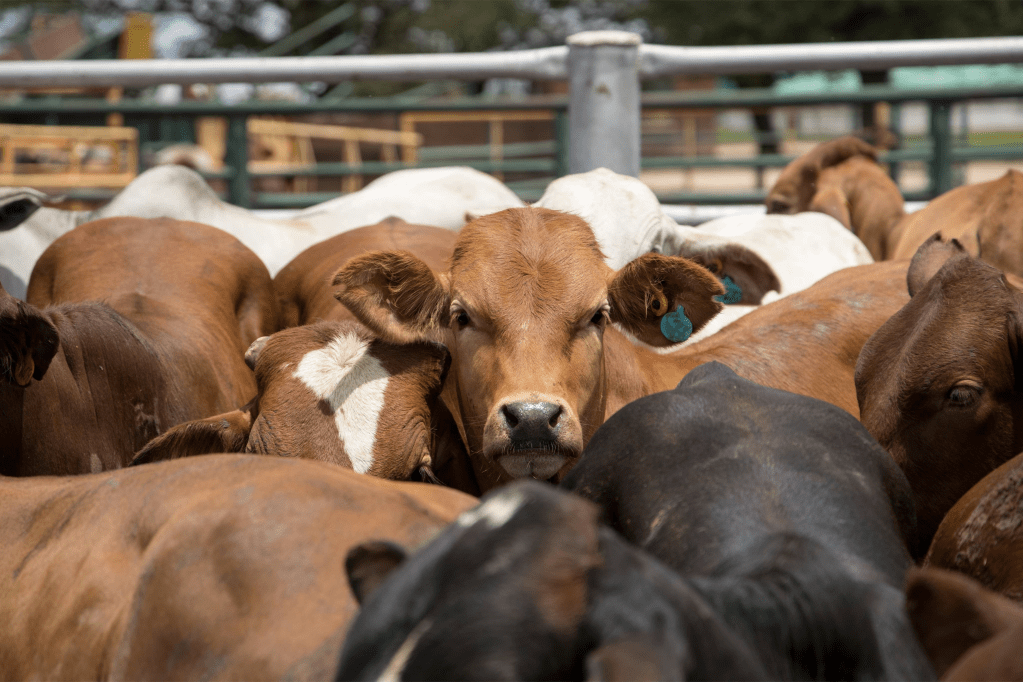
Industry Partnership Drives Texas A&M Study on Tylosin Use and Liver Abscess ControlStudy finds shorter tylosin feeding periods reduce liver abscess risk, though continuous use remains most effective. As consumer demand for beef continues to reach historic highs, feedlot operators are paying close attention to anything that affects cattle health, performance, and carcass value — including liver abscesses, a long-standing and costly challenge in feedlot cattle.
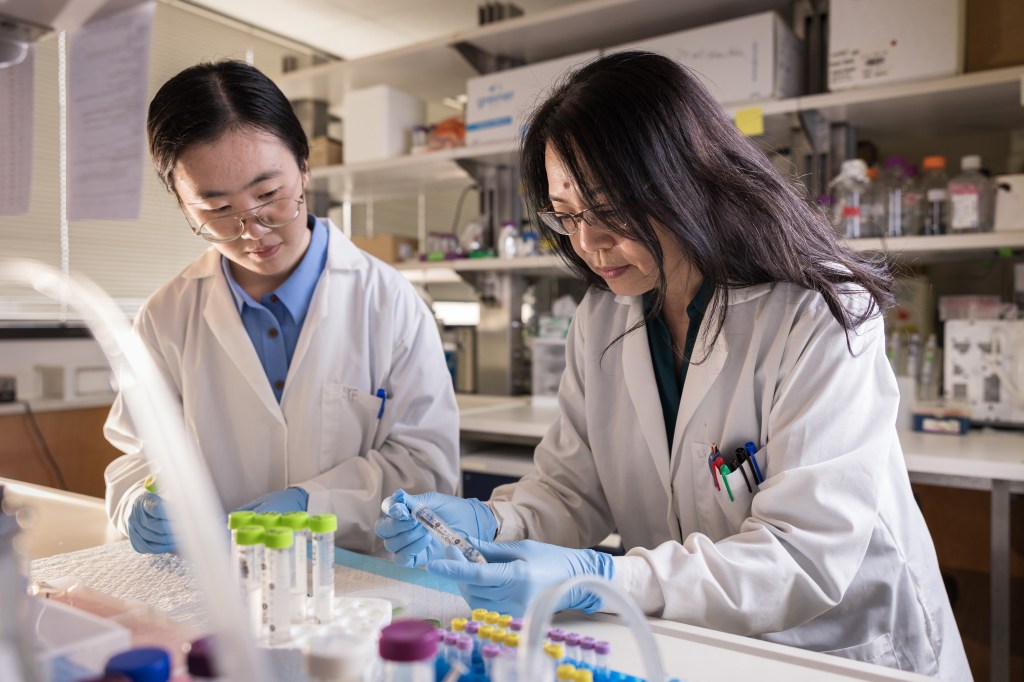
Texas A&M Researcher Receives $2.17 Million Federal Grant To Study Early Brain Changes Linked To Alzheimer’s Disease
Dr. Jianrong Li, a professor and researcher in the Texas A&M University College of Veterinary Medicine & Biomedical Sciences (VMBS), has received a $2.17 million grant from the National Institute on Aging, part of the National Institutes of Health, to examine how support cells in the brain help protect nerve cells and what happens when that protection begins to break down.
Texas A&M Study Reveals How Antibiotic Use During Leukemia Treatment Reshapes the Gut Microbiome
Texas A&M researchers found that antibiotic use during acute myeloid leukemia treatment significantly reshapes the gut microbiome and influences antibiotic resistance patterns. The study underscores the need for more targeted antibiotic strategies during intensive chemotherapy.

